
Science communication training & workshops
Bring your research to life. Reach the people who matter.
You’ve spent years building your research expertise. But how much time have you spent learning to communicate it?
Researchers are increasingly expected to communicate their work beyond academia and show their research impact. While funders and institutions recognise the importance of these skills, many researchers receive little communication training.
Our practical, interactive science communication workshops help you bridge this gap. You’ll learn to communicate complex scientific ideas, tell engaging stories, and connect with the audiences that matter.
Our workshops and training programmes
Linkedin for Researchers workshop
Learn how to make LinkedIn work for you so that you build visibility and create connections.
Update your profile to communicate your research impact and learn to write authentic posts that go beyond “I’m excited to share…” and make people want to keep reading.
Tailored science communication training
We provide tailored capacity-building programmes for universities, research organisations, and international development agencies.
From writing op-eds to public engagement and publications, we design programmes that meet your needs.
Explore training
Substack for academics workshop
Discover how Substack can help you communicate your research, explore ideas, and connect with readers beyond academia.
This hands-on workshop introduces the platform and helps you develop a practical approach to publishing and engaging your audience.
What clients say

“Brendon and Tali have helped my research team gain skills in effectively communicating our science-based work at The South African Research Chair: Mineral Law in Africa (MLiA). This has been a great catapult for our productivity.
MLiA’s PhD researchers now produce an average of 6 blogs each, annually. They have gained much more confidence in writing scientifically, and their work is accessible and relatable. I will keep returning to Brendon and Tali to request their training for new research team members, and I am deeply grateful for what they have contributed to the MLiA team.”
Prof. Hanri Mostert - DST/NRF SARChl Research Chair: Mineral Law in Africa.

“Mr. Bosworth and Dr. Hoffman made every effort to ensure that the science communication training course they produced was up to UNEP’s quality standards. They are an excellent team that is highly flexible and client-orientated.
Their professionalism and expertise are continually appreciated by course participants who express their enthusiasm for the training programme and how, upon its completion, have shared that it has made them more confident about science communication.”
Dr. Andrea Hinwood - Chief Scientist of the United Nations Environment Programme
What are the benefits of science communication training?
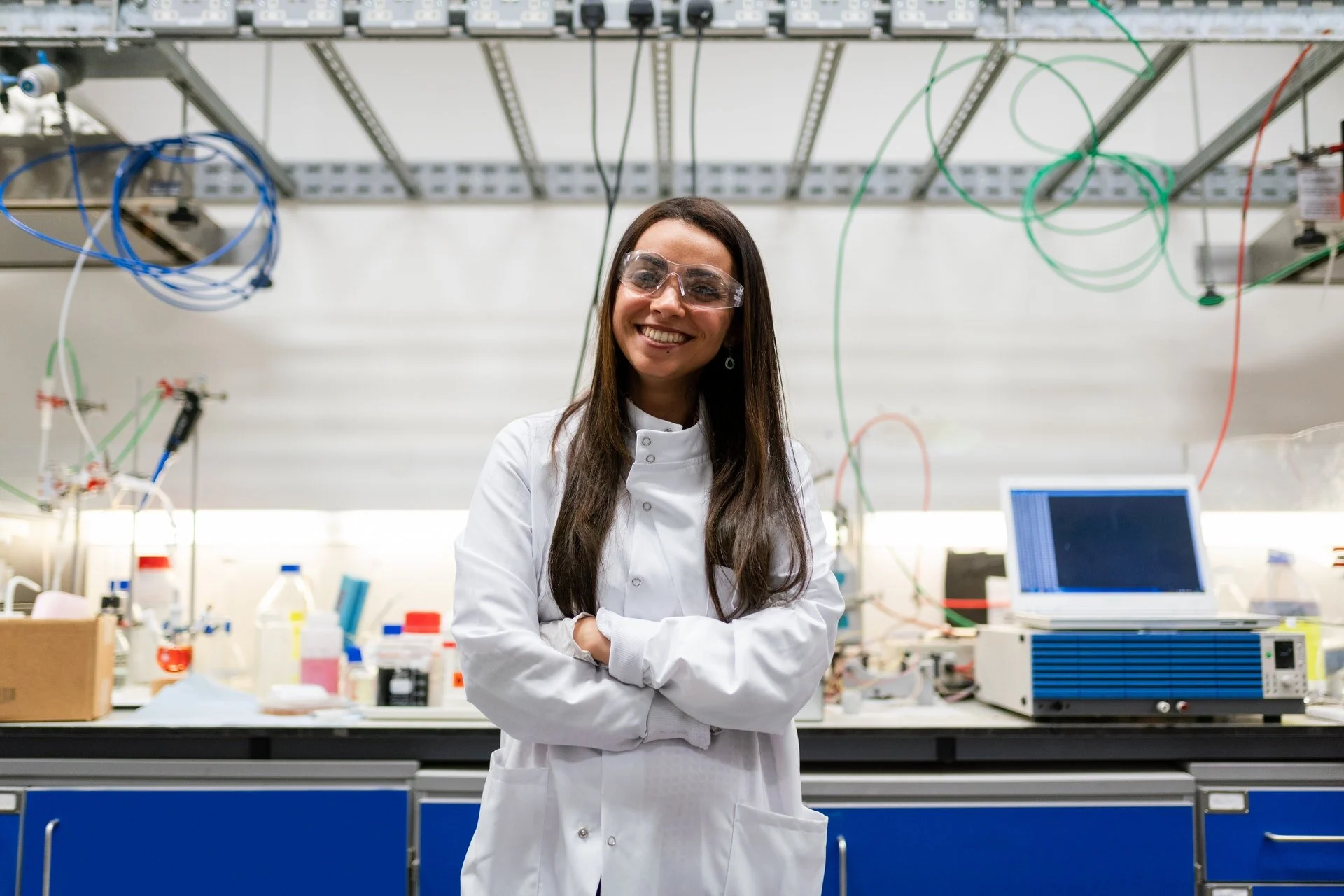
The world needs scientists who can communicate about their work in a way that people without PhDs can understand!
Effective science communication makes science accessible and relevant so that it can inform positive changes in policy, practice, and behaviour.
We’ve trained over 500 researchers from leading institutions worldwide, including…
African Climate and Development Initiative (University of Cape Town)
ARUA-CD Centre of Excellence, Climate and Development
Australia’s Commonwealth Scientific and Industrial Research Organisation (CSIRO)
The International Development Research Centre (IDRC)
The South African National Biodiversity Institute (SANBI)
The Sub-Saharan African Network for TB/HIV Research Excellence (SANTHE)
The South African Research Chair: Mineral Law in Africa
UN Environment Programme (UNEP)
UN Food and Agricultural Organization (FAO)
University of Saskatchewan School of Environment and Sustainability
Want to build your team’s science communication skills and increase your impact?
We’d love to hear from you.
Get in touch to learn more about training for your organisation.